

The Role of Pacific Aid Projects in Regional Development
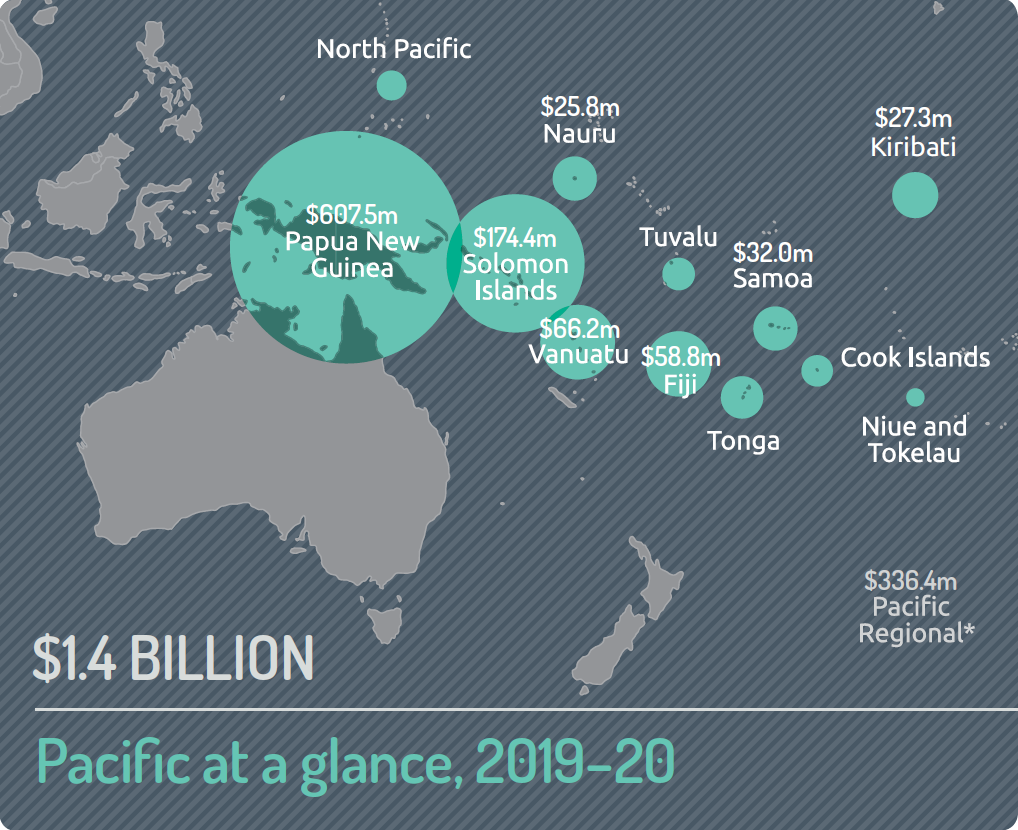
In an era where global challenges require collaborative solutions, pacific aid projects south pacific development projects have emerged as critical initiatives aimed at improving the quality of life for residents across the numerous islands of the Pacific. These projects address a variety of pressing issues, including economic disparity, infrastructure deficits, education, healthcare, and environmental challenges. They are crucial for fostering sustainable growth and resilience in these vulnerable regions.
The Importance of Aid in the Pacific Region
The Pacific Islands are home to diverse cultures, languages, and ecosystems, but they also face unique difficulties. Many island nations are characterized by isolation, limited resources, and a high degree of vulnerability to climate change. Natural disasters such as cyclones and rising sea levels pose significant threats, making aid projects an essential lifeline.
Aid in the Pacific comes from a mix of governmental organizations, non-governmental organizations (NGOs), and international partners. These projects not only provide immediate relief but also focus on long-term development goals and self-sufficiency for local communities.
Key Areas of Focus for Pacific Aid Projects
A variety of issues are addressed through Pacific aid projects. Here are some key areas in which they are making significant strides:
1. Education
Access to quality education remains a challenge. Aid projects often focus on building schools, training teachers, and providing learning materials. Initiatives that promote vocational training are also critical, helping young people acquire skills necessary for employment.
2. Healthcare
Many Pacific nations struggle with healthcare delivery, leading to high rates of preventable diseases. Aid projects seek to improve health infrastructure, train healthcare workers, and raise awareness about health issues such as maternal and child health, nutrition, and infectious diseases.
3. Economic Development
Support for local economies is essential in elevating living standards. Aid projects often promote sustainable agriculture, fisheries, and tourism as means to enhance economic opportunities for communities. Microfinance initiatives to support small businesses can also play a crucial role.
4. Climate Change Adaptation
With the Pacific Islands being deeply affected by climate change, aid projects that address environmental issues are critical. These include disaster preparedness programs, reforestation efforts, and initiatives to manage water resources effectively.
5. Infrastructure Development
Many Pacific nations lack adequate infrastructure for transportation, energy, and communication. Aid projects often focus on developing roads, renewable energy sources, and ICT (Information and Communication Technology) networks to enhance connectivity and support development.
Success Stories of Pacific Aid Projects
The impact of aid projects can be seen in various successful initiatives across the Pacific. For instance, in Vanuatu, numerous NGOs have worked together to implement community-led development projects that focus on restoring ecosystems and strengthening local livelihoods. These projects not only enhance food security but also empower communities by including them in the decision-making process.
Similarly, in Fiji, the introduction of educational programs aimed at improving literacy and numeracy skills has resulted in higher enrollment rates and increased completion rates among primary and secondary school students. These improvements in education are crucial for building a skilled workforce equipped to face future challenges.

The Role of International Collaboration
Collaboration between international organizations, governments, and local communities is key to the success of Pacific aid projects. The effectiveness of these initiatives often hinges on the coordination and alignment of goals among stakeholders. Funding, expertise, and resource-sharing are vital components that drive these projects forward.
Organizations like the United Nations, World Bank, and regional bodies such as the Pacific Islands Forum play vital roles in facilitating these collaborative efforts. By leveraging resources and knowledge, they help implement projects that are culturally appropriate and sustainable.
Challenges Facing Pacific Aid Projects
Despite their successes, Pacific aid projects often face challenges. Issues such as bureaucratic hurdles, lack of local capacity, and dependency on aid can hinder progress. Moreover, ensuring that aid reaches the communities that need it most requires constant monitoring and adaptation of strategies.
Additionally, external factors such as geopolitical tensions and global economic downturns can threaten funding for these essential projects. Ensuring the sustainability of initiatives is crucial for reducing the vulnerability of communities in the long term.
The Future of Aid in the Pacific
Looking ahead, the future of Pacific aid projects will require innovative approaches to tackle ongoing and emerging challenges. Emphasizing community involvement and self-sufficiency will be essential for creating lasting impacts.
Technology can also play a significant role in the evolution of aid projects. Utilizing mobile technology for health services or structured online educational platforms can enhance accessibility and efficacy of aid interventions.
Ultimately, the commitment of both local and international partners will determine the trajectory of development in the Pacific. Aid projects should adapt to the changing landscapes of the region, ensuring that they remain relevant and effective in meeting the needs of the communities they aim to serve.
Conclusion
Pacific aid projects are crucial for fostering resilience and growth in island communities that face significant challenges. Through focused efforts in education, healthcare, economic development, climate adaptation, and infrastructure, these initiatives can transform lives and contribute to sustainable development. The ongoing collaboration between various stakeholders will be essential in shaping a more prosperous future for the South Pacific.